Vikram Kumar B R Uses Classical Dance to Deliver Powerful Social Messages
Indian classical dance is often associated with mythology, spirituality and centuries-old traditions. But for Kuchipudi artiste and choreographer Vikram Kumar B R, also known as Bathina Vikram Goud, classical dance can also become a powerful medium for addressing issues that affect contemporary society.
Over the course of his artistic career, Vikram Kumar has developed thematic productions that move beyond conventional performance formats. His choreographic work combines classical dance, theatre, storytelling and social themes, demonstrating how traditional performing arts can communicate ideas that remain relevant to modern audiences.
His approach reflects a larger belief that Indian classical arts should not be treated as static heritage. Instead, they can continue to evolve as living forms of cultural communication while maintaining their traditional foundations.
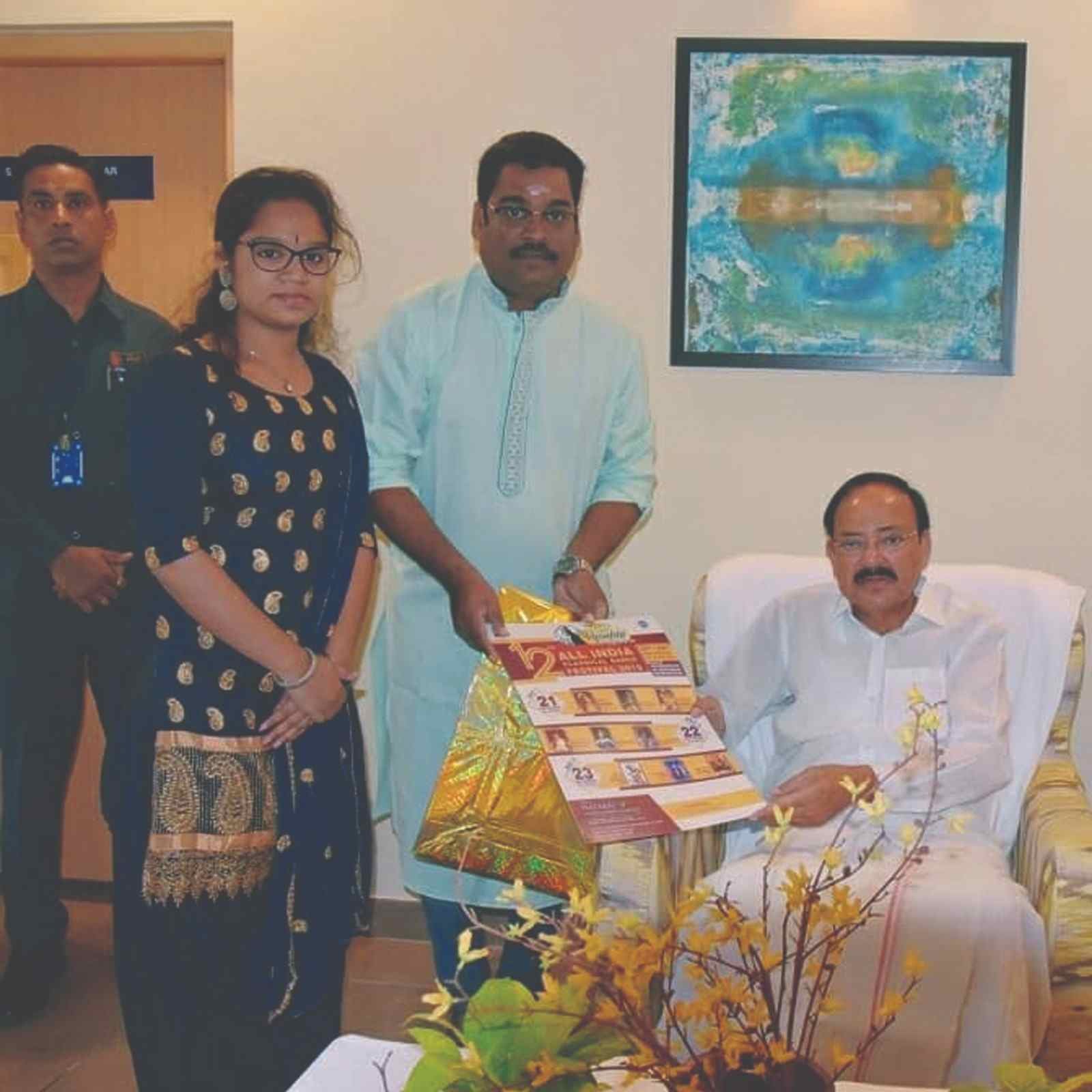
From Performer to Storyteller
Vikram Kumar’s artistic foundation lies in Kuchipudi. His journey began at an early age and was encouraged by his family. He subsequently pursued formal education in the discipline and completed a Master of Arts in Kuchipudi with distinction from Andhra University.
His association with theatre further expanded his understanding of stage communication. He completed Diplomas in Acting and Direction and contributed to the Department of Theatre Arts at Andhra University for around ten years.
Working with mythological, social and philosophical plays gave him practical exposure to characterisation, dialogue, dramatic structure and direction.
These experiences later influenced his approach to dance choreography, particularly in productions where dance is used to tell a complete story or communicate a social message.
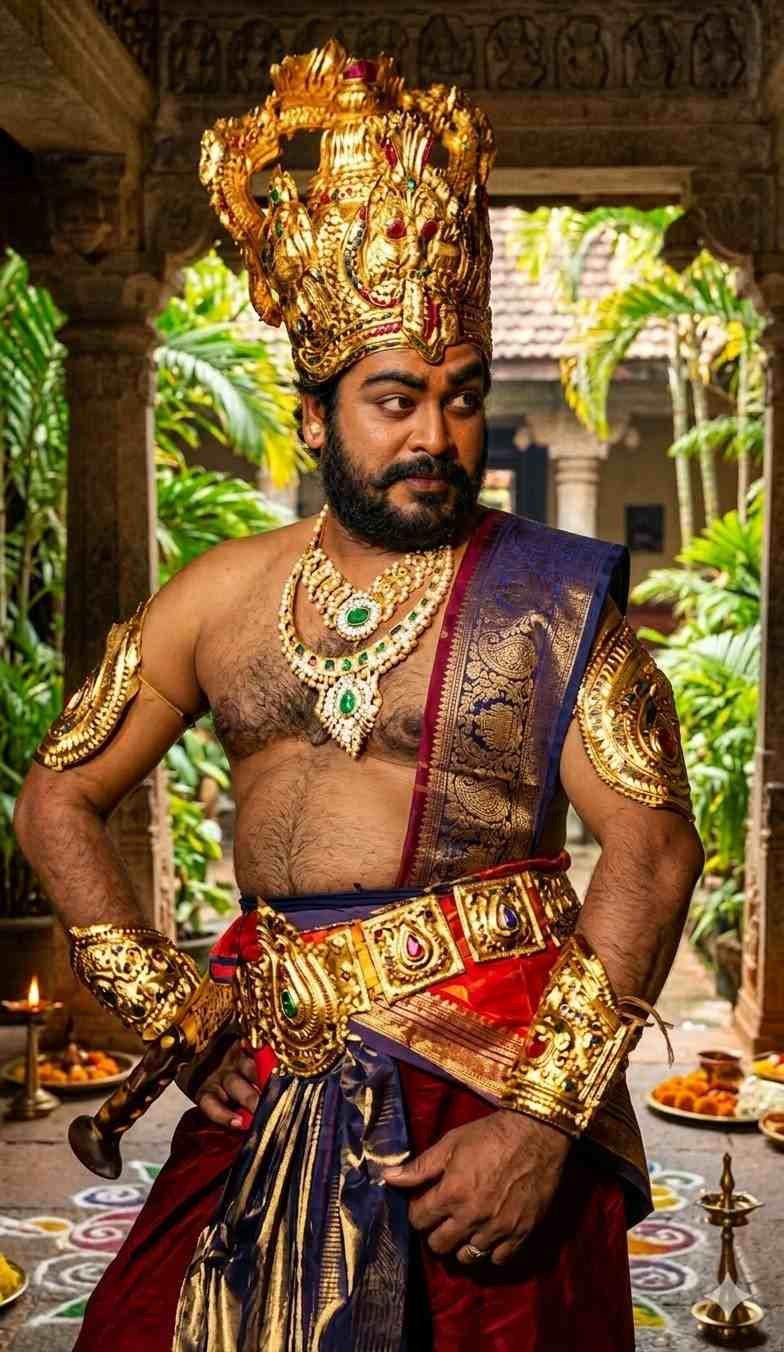
Classical Dance as a Communication Tool
One of the clearest examples of this philosophy is “Swachh Ganga – Swachh Bharat.”
Inspired by Bhagiratha Vilasam, the production uses classical dance storytelling to highlight concerns relating to clean water and environmental responsibility.
Rather than treating dance only as an artistic display, the production uses its visual and emotional language to encourage audiences to think about an issue affecting society.
This approach demonstrates how classical dance can provide an alternative form of public communication. Movement, music, expression and narrative can work together to convey a message without relying entirely on conventional speeches or written campaigns.
Tradition and Contemporary Relevance
For Vikram Kumar, bringing contemporary themes into classical dance does not necessarily mean abandoning tradition.
The foundation remains the classical technique, discipline and storytelling vocabulary. What changes is the subject being communicated and the way the production is structured for the audience.
This balance is particularly important in the preservation of classical arts.
If traditional dance is presented only through subjects familiar to earlier generations, younger audiences may find it difficult to connect with the form. At the same time, excessive experimentation can risk weakening the identity of the original tradition.
Vikram Kumar’s thematic productions attempt to operate between these two considerations.
Youth as an Important Audience
The relationship between classical arts and younger generations is another recurring concern in his work.
His choreographic productions include “Youth Never Sleeps,” reflecting his interest in youth-oriented themes and social subjects.
The title itself suggests an emphasis on energy, participation and the role of young people in society.
For cultural practitioners, engaging young audiences is critical because the future of classical arts depends not only on trained performers but also on informed audiences, teachers, researchers, organisers and cultural supporters.
Vikram Kumar’s work through performances, training programmes and festivals has therefore placed considerable emphasis on creating opportunities for young people.
Social Themes Across His Creative Work
His choreographic portfolio includes productions covering different categories of subject matter.
“Chenchu Lakshmi Narasimha Kalyanam” explores a traditional narrative associated with Lord Narasimha and Simhachalam while combining Kuchipudi with folk traditions.
“Sri Krishna Leelalu” uses mythological storytelling, while “Maha Visakha Vaibhavam” focuses on cultural themes.
At the same time, productions such as “Swachh Ganga – Swachh Bharat” and “Youth Never Sleeps” demonstrate his interest in subjects with contemporary social relevance.
This range illustrates that classical dance can accommodate different kinds of storytelling.
The Role of Choreography
A choreographer occupies an important position in translating an idea into a stage production.
The process involves selecting the subject, developing the narrative, designing movements, working with performers and coordinating music and stage presentation.
When the subject is social or environmental, the challenge becomes even greater because the message must remain understandable without overwhelming the artistic character of the performance.
Vikram Kumar’s experience in theatre and dance gives him a foundation for combining these elements.
His work demonstrates that choreography can function as both an artistic discipline and a form of cultural communication.
Building Platforms for Cultural Communication
Vikram Kumar’s work is not limited to individual productions.
In 2000, he founded the Nataraj Music and Dance Academy, creating an institution dedicated to training and cultural activities. The academy has worked in areas including Kuchipudi, Indian folk traditions, classical music and instrumental music.
Its activities have also included workshops, seminars, festivals, competitions and cultural events.
Such institutions play an important role in creating an environment where artistic ideas can be developed and presented to the public.
Festival platforms can similarly help artists reach audiences beyond their regular performance circles.
Preserving Arts by Keeping Them Relevant
Vikram Kumar has advocated a broad approach to cultural preservation.
In his view, preserving classical arts involves protecting not only dance movements but also repertoire, literature, music, choreography, teachers, practitioners, performance traditions and documentation.
Keeping the art relevant to society is another part of that process.
When classical dance is used to discuss subjects such as environmental responsibility, youth participation or social values, audiences encounter the traditional form in a contemporary context.
This can help ensure that classical arts remain part of everyday cultural conversation rather than becoming disconnected from modern life.
The Wider Cultural Mission
Vikram Kumar’s work as a choreographer is therefore closely connected with his broader activities as a cultural organiser, researcher, educator and promoter.
His productions demonstrate one possible pathway for Indian classical dance in the modern era: preserve the technical and cultural foundations of the tradition while allowing artists to explore subjects that speak to present-day audiences.
This approach can make classical dance accessible to people who may not have a specialised understanding of its technical vocabulary.
Keeping Classical Dance Alive
The ability of an art form to survive depends partly on its ability to communicate across generations.
Through productions such as Swachh Ganga – Swachh Bharat and Youth Never Sleeps, Vikram Kumar B R has explored how Kuchipudi and related performance traditions can be used to communicate social and contemporary themes.
His work suggests that classical dance does not have to remain confined to the subjects of the past. It can carry historical knowledge forward while also responding to the concerns of the present.
For Vikram Kumar, this represents an important part of cultural preservation: keeping tradition rooted in its identity while giving it meaningful reasons to remain on the stage of contemporary society.